12 global brands hit
There are at least 12 global brands that have been hit over the last 3 years, or since October 2023.
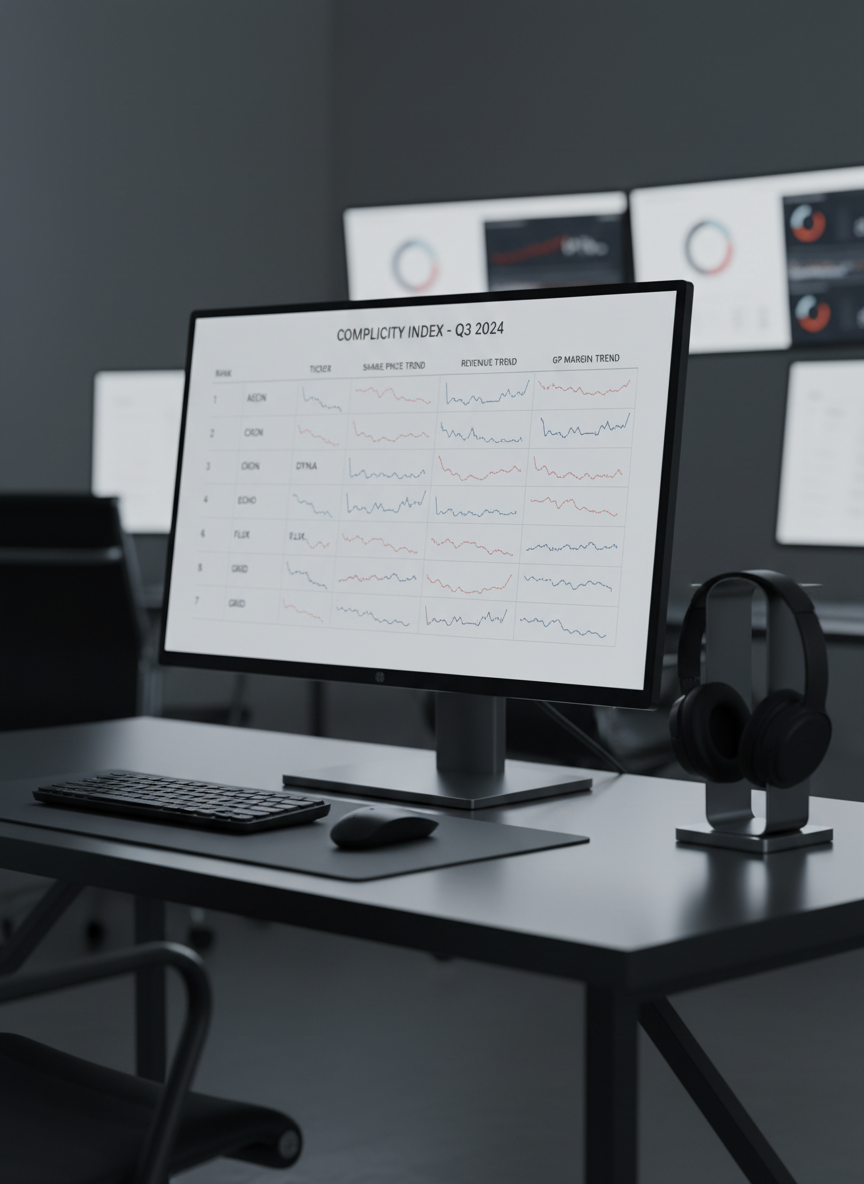
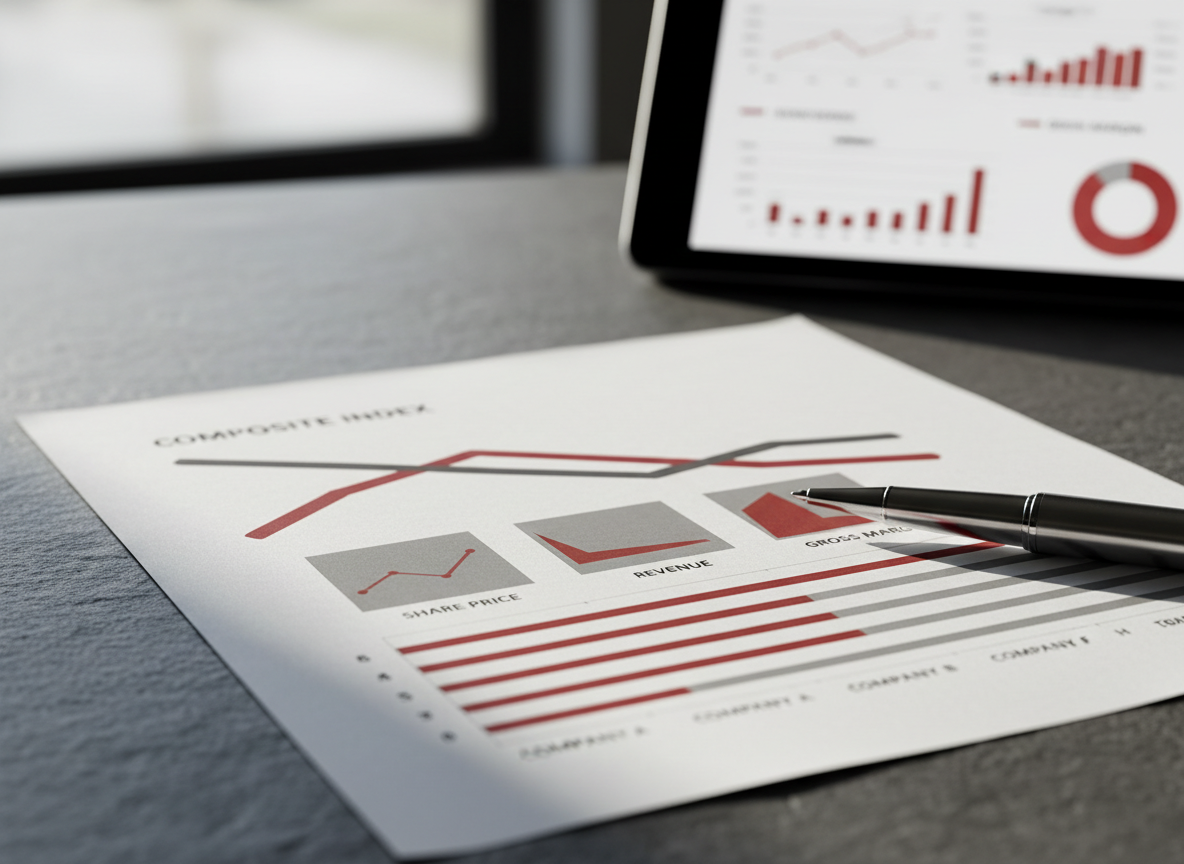
These twelve companies have invariably seen falls in revenue, gross profit margin and/or share price, indicating calls to boycott these brands might be working.
Although there are varying reasons for falls in revenue, gross profit margin and share price, it is fair to assume calls to boycott these brands could be a contributing factor.
| 2022-2025 (3 years) | Revenue | Gross Profit Margin | Share Price |
| Estee Lauder | -19% | -1.80% | -41% |
| LVMH | 2% | -2.20% | -30% |
| HP | -16% | -3.1% | -8% |
| Krispy Kreme | -1% | -5.8% | -72% |
| Mondelez | 22% | -7.54% | -11% |
| Nestle | -5% | -0.5% | -27% |
| Kraft Heinz | -6% | 2.2% | -24% |
| Kimberly Clark | -19% | 5.21% | -5% |
| Reckitt | -2% | 3% | -15% |
| Puma | -14% | -1.1% | -55% |
| Nike | -1% | -3.3% | -54% |
| Mattel Inc | -2% | 3% | -38% |
HP is the prime contractor for Israel’s Basel System, an automated biometric access control system deployed at checkpoints and along the apartheid wall. HPE’s Aviv database system also enforces apartheid-level racial discrimination and controls the illegal settlement enterprise in the West Bank. Before IBM, HPE maintained this database and its Israeli subsidiary still provides servers during the transition. HP has long enabled Israel’s apartheid systems, supplying technology to COGAT, the prison service and police. Since HP’s 2015 split into HPE and HP Inc., opaque business structures have obscured the roles of their seven remaining Israeli subsidiaries.
Nike buys RECs possibly from Israeli projects on expropriated Palestinian Land.
Krispy Kreme‘s largest stockholder JAB Holdings is actively spreading Zionist propaganda and claims Israel is a victim.
Nestle has invested in Israel since 1995 by buying 10% of Israeli food maker Osem Investments. Nestle now owns a 53.8 percent share in Osem Swiss food giant Nestle
Estee Lauder: Aramis, Aveda, Bobbi Brown, Clinique, Jo Malone, Lab Series, La Mer, MAC, Origins + 11 other brands: Estee Lauder’s chairman Ronald Lauder is simultaneously president of the World Jewish Congress and chairman of the Jewish National Fund — an organisation that controls roughly 13% of land in Israel, bars Palestinians from access, and funds illegal settlement expansion and military-linked projects.
LVMH (Christian Dior, Hennessy, Kenzo, Loewe, Marc Jacobs, Moet et Chandon, Sephora, Louis Vuitton, Bulgari, Celine, Dom Perignon, Fendi, Givenchy, Guerlain) is the world’s largest luxury conglomerate, headed by Bernard Arnault, who is documented to have invested hundreds of millions in Israeli companies. The group also sources diamonds through Israel’s diamond-cutting industry.
Reckitt Benckiser (Dettol, Finish, Harpic, Scholl) has signed a cooperation agreement with the Israel Innovation Authority
Mondelez announced a seed investment in Torr FoodTech an early stage company based in Israel that has developed proprietary technology
Puma, was one of the BDS movement’s most high-profile international boycott targets, subject to a sustained five-year global campaign over its sponsorship of the Israel Football Association (IFA), which includes clubs based in illegal Israeli settlements on occupied Palestinian land. Over 200 Palestinian sports clubs called on Puma to end the sponsorship, and the campaign caused significant reputational and financial damage to the company. It ended it in 2023
Kraft Heinz: t reportedly has limited direct partnerships with Israeli companies. Its largest shareholder, Berkshire Hathaway also has significant investments in Israeli businesses.
Kimberly-Clark: Andrex, Huggies, Kleenex, Kotex, Pullups, Scott + other brands: In 2015, Kimberly-Clark acquired full ownership of its Israeli subsidiary, Hogla-Kimberly. It is also a major customer of Avgol, an Israeli nonwoven fabric manufacturer that operates a facility in the Barkan Industrial area adjacent to the illegal West Bank settlements.
Mattel (Hot wheels, UNO & 100 other brands) has sponsored the ADL’s 2026 “Never is Now ” summit. The ADL maintains an office in Jerusalem that liaises with the Israeli Government.
Tools, Downloads, and Frequently Asked Questions
Access reference charts, download index data, and review FAQs on coverage, update frequency, red‑marking criteria, and export options.